
April 22, 2026
hillusher
Protecting Your Workforce: Understanding and Preventing Heat-Related Illnesses
As temperatures rise, so do the risks associated with working in hot and humid environments. For businesses with employees exposed to outdoor conditions or physically demanding tasks, heat-related illnesses are a serious safety concern that can impact productivity, increase claims, and most importantly put lives at risk.
Understanding how heat affects the body and taking proactive steps to prevent illness is essential to maintaining a safe workplace.
What Are Heat-Related Illnesses?
Heat-related illnesses occur when the body is unable to cool itself effectively. Normally, the body regulates temperature through sweating and heat dissipation through the skin. However, high temperatures, especially when combined with humidity, can overwhelm this process.
There are three primary types of heat-related illnesses:
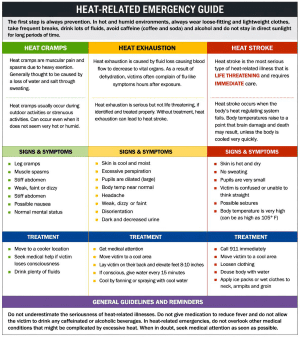
- Heat Cramps: Muscle spasms caused by the loss of water and salt through sweating, often during heavy exertion
- Heat Exhaustion: A more serious condition resulting from dehydration and reduced blood flow to vital organs, often accompanied by flu-like symptoms
- Heat Stroke: A life-threatening emergency that occurs when the body’s cooling system fails and requires immediate medical attention
Why Heat and Humidity Matter
The heat index, a combination of air temperature and humidity, plays a critical role in how the body responds to heat. When humidity is high, sweat evaporates more slowly, making it harder for the body to cool down. This increases the likelihood of heat-related illness, particularly during strenuous activity or prolonged exposure.
Recognizing the Warning Signs
Early recognition can prevent a minor issue from becoming a medical emergency. Symptoms vary depending on severity:
- Heat Cramps: Muscle pain, spasms, dizziness
- Heat Exhaustion: Excessive sweating, weakness, headache, nausea, disorientation
- Heat Stroke: Hot, dry skin, confusion, lack of sweating, very high body temperature (up to 105°F), possible seizures
Heat stroke is a medical emergency. Immediate action is critical.
Prevention: Your First Line of Defense
The most effective way to manage heat-related risk is prevention. Employers should reinforce the following best practices:
- Encourage frequent hydration. Employees should drink water regularly and not wait until they feel thirsty
- Avoid caffeine and alcohol, which contribute to dehydration
- Provide shaded or air-conditioned break areas
- Schedule regular rest breaks, especially during peak heat hours
- Promote lightweight, loose-fitting, light-colored clothing. Sunscreen and hats are also a great way to protect skin from the sun
- Limit prolonged exposure to direct sunlight
- Use fans or ventilation to improve air circulation
- Encourage a buddy system so employees can monitor each other for signs of heat stress
- Check-in with new employees regularly to ensure they are properly acclimating to working in hot conditions
- Shift work schedules whenever possible to allow work to be done during cooler hours
These simple measures can significantly reduce the risk of heat-related incidents.
How to Respond to Heat-Related Emergencies
If an employee shows signs of heat-related illness:
- Move them to a cooler area immediately
- Provide water if they are conscious
- Use cooling methods such as fans, cool water, or ice packs
- Seek medical attention when necessary
For suspected heat stroke, call emergency services immediately and begin rapid cooling efforts.
Key Takeaways for Employers
Heat-related illnesses are preventable, but only with awareness, preparation, and timely action. As an employer, reinforcing safety protocols during warmer months not only protects your workforce but also helps reduce potential claims and operational disruptions.
Taking a proactive approach to heat safety demonstrates a strong commitment to employee well-being.
Categories: Workplace Safety